 Sendai Day Trips
Home › Guides › When Is the Best Time to Visit Sendai?
When Is the Best Time to Visit Sendai?
The best time to visit Sendai is late spring, from May to early June, and early autumn, from September to October, when the weather is pleasant, crowds are thinner and hotel prices sit below peak levels. Sendai sits about 90 minutes from Tokyo by Shinkansen, so the right month matters more for your day trips than for getting there.
Quick answer The short answer: late spring and early autumn
Late spring (May to early June) and early autumn (September to October) are the best months for most travellers, with pleasant weather, fewer crowds and lower prices. Avoid mid-June to mid-July, the local rainy window. Winter suits budget travellers who want snow scenery and lower rates.
Key takeaways
- See all day trips from Sendai and match them to the season
- Compare seasons on the Matsushima bay cruise day tour
- Autumn colour trips: the Naruko Gorge and Ginzan Onsen bus tour
- Winter snow scenery: the Zao snow monsters private tour
When to go to Sendai?
Go in late spring or early autumn for the best mix of weather, crowds and prices.
Each season changes what you can do in the city and, more importantly, which day trips run well. Here is how the four seasons compare.
Season by season
Late spring and early autumn are the all-round winners. Winter is the cheap season, and it also brings snow scenery you cannot see any other time. August has the biggest festival but the highest heat and humidity.
A note on prices: festival dates push up demand for rooms and trains, so book early if you travel during Tanabata or the spring foliage weeks.
| Season | Weather | Crowds | Prices | Best for |
|---|---|---|---|---|
| March to May | Cool to mild, cherry blossoms early to mid April | Busy at blossom peak | Moderate, higher in April | Sakura, first day trips of the year |
| June | Starts pleasant, rainy period from mid June | Low | Lower | Akiu Great Falls, indoor days |
| July to August | Hot and humid, slightly cooler than southern Japan | High during Tanabata, over 2 million visitors | Higher during festival week | Tanabata Festival, summer festivals |
| September to October | Mild and clear | Moderate | Lower before peak season | Day trips, early autumn colour |
| November | Cool, fall foliage late October to mid November | Moderate | Moderate | Autumn leaves at Naruko Gorge and Yamadera |
| December to February | Cold and snowy | Low | Best deals of the year | Snow monsters, Zao Ropeway, budget travel |
Source: Sendai Tanabata Festival.
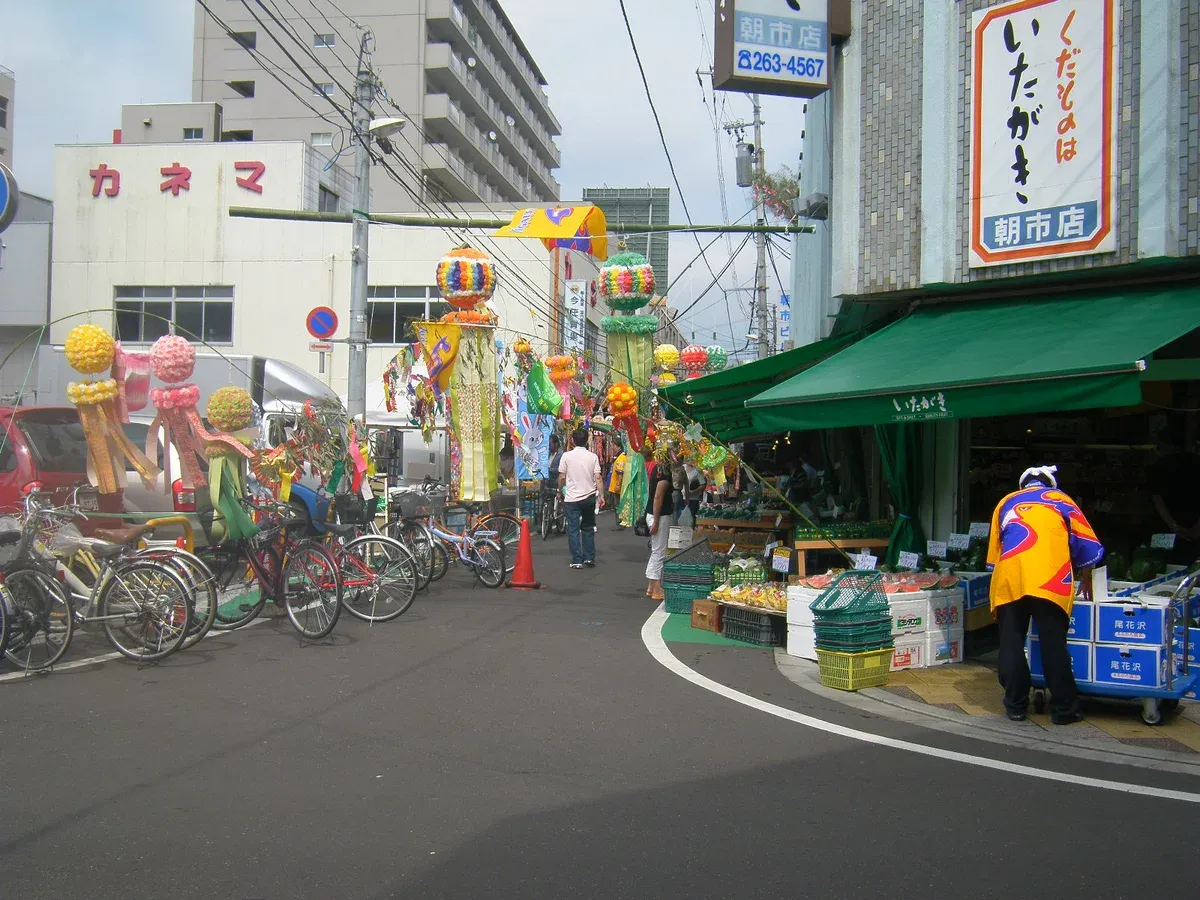
Tanabata decorations in central Sendai. Photo: Kinori, Public domain, via Wikimedia Commons
What is the weather in Sendai like month by month?
Sendai has four clear seasons: mild springs, a rainy stretch from mid June to mid July, humid summers that stay slightly cooler than southern Japan, and cold snowy winters.
The city itself is walkable in most months. The bigger question is what each month does to your day trip options.
April and May
Cherry blossoms typically appear from early to mid April. May is one of the two sweet spots for the whole region: mild air, manageable crowds and every Matsushima, Yamadera and mountain option open. Mid May brings the Sendai Aoba Matsuri in the city.
June and July
Early June still fits the pleasant late-spring window. Mid June to mid July is the named unfavourable stretch, so keep plans flexible then. The Zuiganji gate at Matsushima closes at 4:30 pm in October and March, and as early as 3:30 pm in January and December, so short winter days shape your itinerary.
August
The Sendai Tanabata Festival runs from August 6th to 8th each year, with fireworks on the eve, and is billed as Japan's largest Tanabata festival with over 2 million visitors. Expect higher temperatures and humidity, and book hotels well ahead for festival week.
September and October
The second sweet spot. Mild weather, moderate crowds and lower prices before peak season. Autumn colour starts early: Akiu Great Falls, a 55 metre fall, picks up colour from mid October, and Naruko Gorge normally turns red and yellow from mid October to mid November.
November
Fall foliage runs from late October to mid November. This is prime time for the gorge and temple trips. The Matsushima light-up runs from 24 October to 23 November, and Yamadera sets last entry at 15:30 in October and November.
December to March
Cold and snowy, and the season of snow monsters on Zao, where last season's Juhyo Festival ran into late February and the Zao Ropeway winter operation runs from 11 December to 31 March with possible weather suspensions. Budget travellers find the best deals now. Weigh that against the closures in the winter section below.
| Month | What it means for your trip |
|---|---|
| April | Cherry blossoms early to mid April, busy weekends |
| May | Aoba Matsuri mid May, best all-round conditions |
| June | Good until mid June, then the rainy stretch |
| July | Rainy first half, hot after |
| August | Tanabata 6 to 8 August, hot and humid |
| September | Mild, fewer crowds, good touring weather |
| October | Early autumn colour, light-up season starts |
| November | Peak foliage, shorter days, early last entries |
| December | Snow scenery begins, shortest daylight |
| January to February | Snow monsters, lowest prices, some closures |
Tours that fit each season
In autumn, the gorge and temple routes shine. In winter, the mountain routes run on snow schedules. Spring and early autumn open up everything.
Sources: Yamadera Tourism Association, Zuiganji Temple, Osaki City, Sendai Travel Official Guide.
Tours That Fit
These day trips run year round or shine in a specific season.
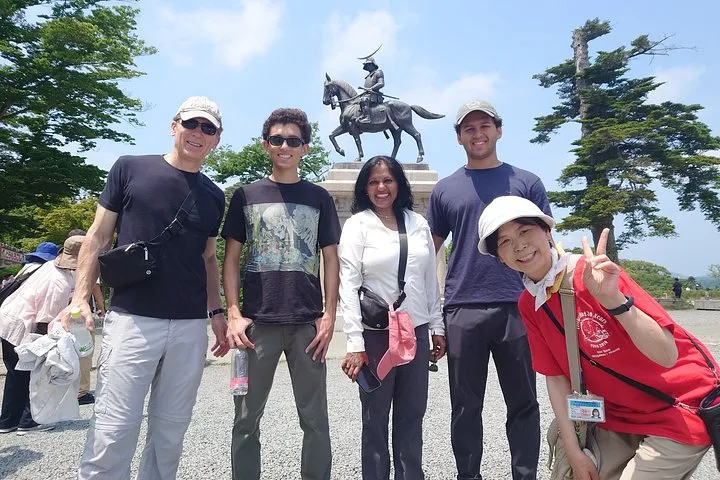
Sendai & Matsushima Customized Tour in 1 Day with Licensed Guide
A private, fully customizable walking day in Sendai and Matsushima with a licensed guide, where you pick 3-4 sites.
- Cancellation
- Free cancellation 24h
- Operator
- Japan Guide Agency
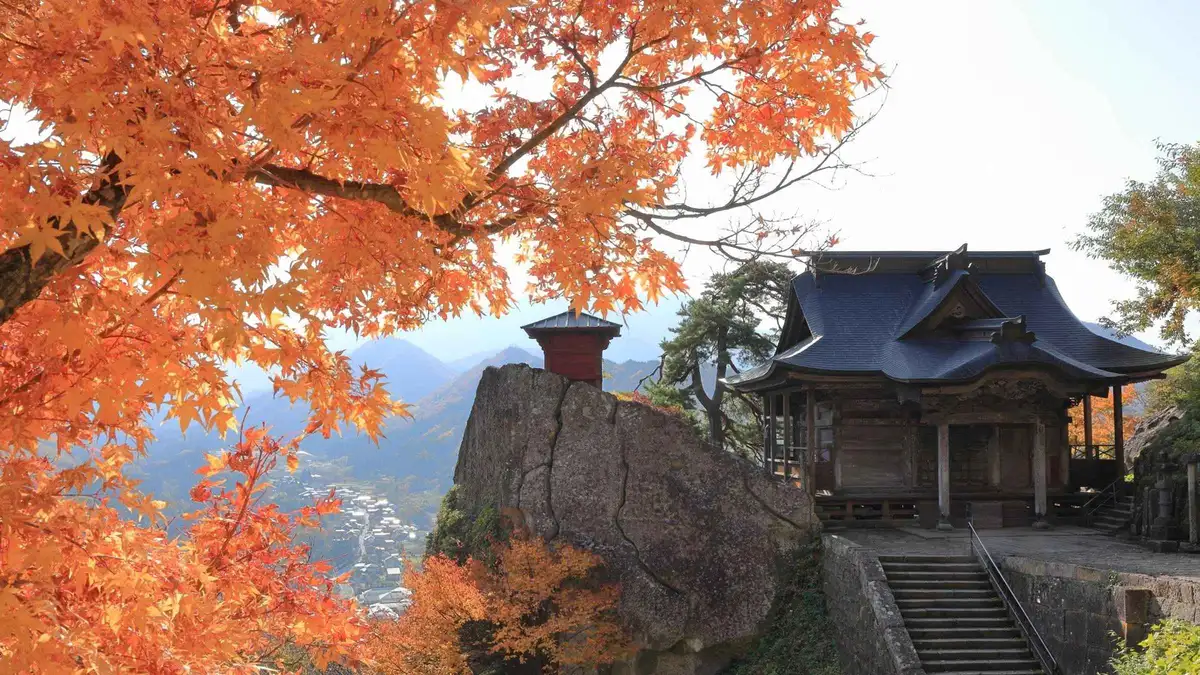
Day Tour: Sendai Daikannon Statue & Yamadera Temple
A 7-hour English small group day trip by public bus and train pairing the 100-meter Sendai Daikannon with the 1,015-step climb at Yamadera.
- Cancellation
- Free cancellation 24h
- Operator
- Machinovate Japan Ltd.
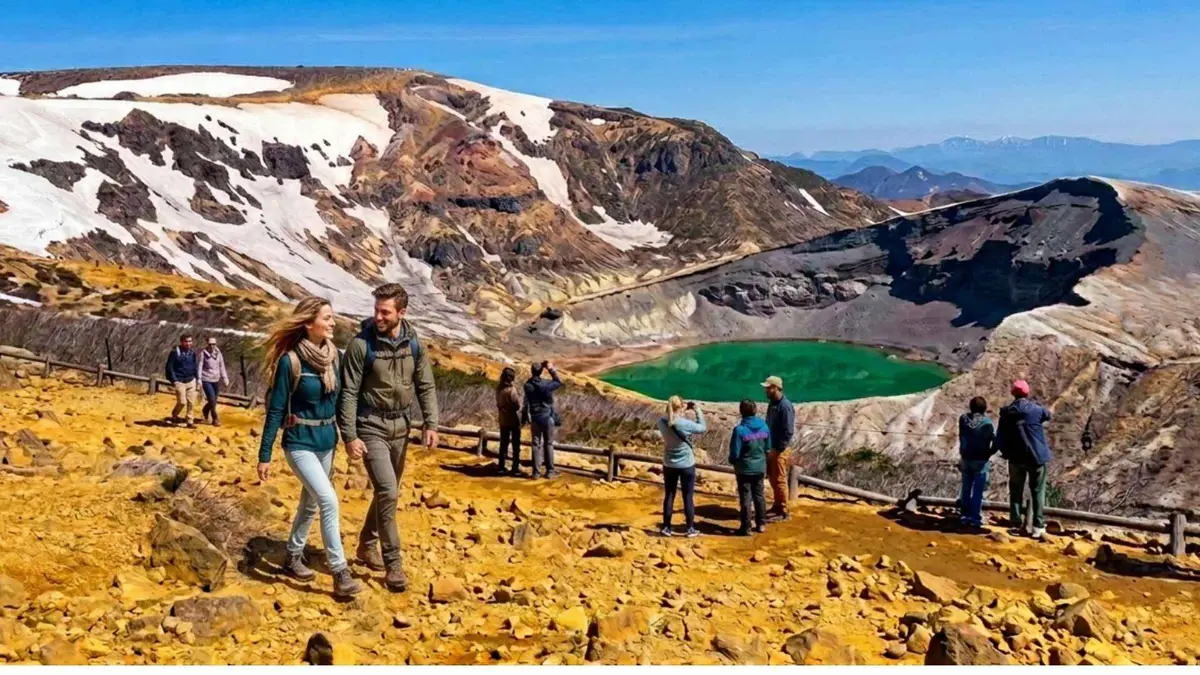
Ginzan Onsen, Zao Ropeway and Okama Crater Tour with Lunch
An 11-hour winter-and-summer combo covering Ginzan Onsen, lunch in Yamagata and the Zao Ropeway, with Okama Crater on warm-season departures.
- Cancellation
- Free cancellation 24h
- Operator
- LION TRAVEL JAPAN Co. Ltd.
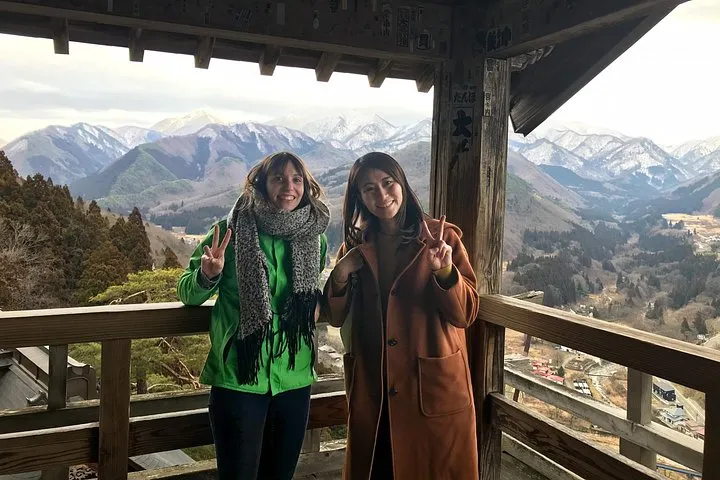
Yamadera Private Guided Tour from Sendai
A private licensed-guide visit to Yamadera with local stories, longer hiking trails on request, and pay-as-you-go train and entry fees.
- Cancellation
- Free cancellation 24h
- Operator
- Mai Sendai Tohoku tours
What is the rainy season in Sendai and should you avoid it?
Mid June to mid July is the unfavourable stretch, and most travellers should plan around it rather than through it.
Sendai skips the worst of the southern summer, but it does not skip the rain.
How bad is it, really
Mid June to mid July is named the unfavourable time to visit Sendai. Crowds are low and rooms are cheaper, so it can work for city-focused trips with flexible day trip plans. Keep the indoor options ready: museums, the shopping arcades and onsen stops that do not depend on clear skies.
What is Sendai famous for and when are the festivals?
Sendai is famous for gyutan grilled beef tongue, its Tanabata festival, and its position as the gateway to Matsushima, one of the Three Views of Japan.
Timing your visit around a festival is the best way to see the city at full volume, but it costs you in crowds and room rates.
Tanabata and Aoba Matsuri
The Sendai Tanabata Festival runs from August 6th to 8th each year, with fireworks on the eve, and draws over 2 million visitors. The Aoba Matsuri falls in mid May. Both are worth planning around, and both raise demand for hotels and trains, so book early.
Matsushima, one of the Three Views of Japan
Matsushima Bay holds about 260 small pine-covered islands and ranks among the Three Views of Japan. The 50 minute round-the-bay cruise costs $9.54 (¥1,500) for adults per the Matsushima tourist association. Spring and autumn are ideal, winter brings reduced ferry schedules to some outer islands.
Winter festivals
On Zao, the snow monster Juhyo Festival season runs into late February, with the onsen town light-up running evenings from late December to late February in the last published season.
Sources: Sendai Tanabata Festival, Matsushima Kanko Association.
What to do in Sendai during winter?
Ride the Zao Ropeway to the snow monsters, warm up in Ginzan Onsen, and accept that some Matsushima and Yamadera options shrink or close.
Winter is the cheapest and quietest season, and it is the only season for certain sights.
What stays open
The Zao Ropeway winter operation runs from 11 December to 31 March, with possible suspensions in bad weather. Zao Fox Village runs 9:00 to 16:00 with last entry at 15:30 in winter, and closes on Wednesdays. Ginzan Onsen works in every season, and snow makes it more atmospheric.
What shrinks or closes
Parts of Yamadera Temple can be hard to navigate in heavy snow, and its winter hours are 8:30 to 15:00 with the gate closing at 16:00, or earlier if weather demands. Ferries to certain outer islands in Matsushima Bay may run reduced schedules or stop entirely. Some smaller family-run restaurants and shops outside the city centre close for extended periods from January to March, particularly around the New Year holiday.
| Winter option | Status |
|---|---|
| Zao snow monsters and ropeway | Runs 11 December to 31 March, weather permitting |
| Zao Fox Village | Open daily except Wednesdays, winter hours 9:00-16:00 |
| Ginzan Onsen | Open, best with snow |
| Yamadera | Open but short hours, icy paths in heavy snow |
| Matsushima outer island ferries | Reduced schedules or suspended |
| Small restaurants outside the centre | Some close for extended periods January to March |
Winter tours
For the full snow experience, the Zao Snow Monster Tour from Sendai: Night Cruiser with Hotel handles the mountain in the dark, and the Zao Fox Village and Ginzan Onsen Tour pairs two winter-friendly stops.
Sources: Yamadera Tourism Association, Zao Fox Village.
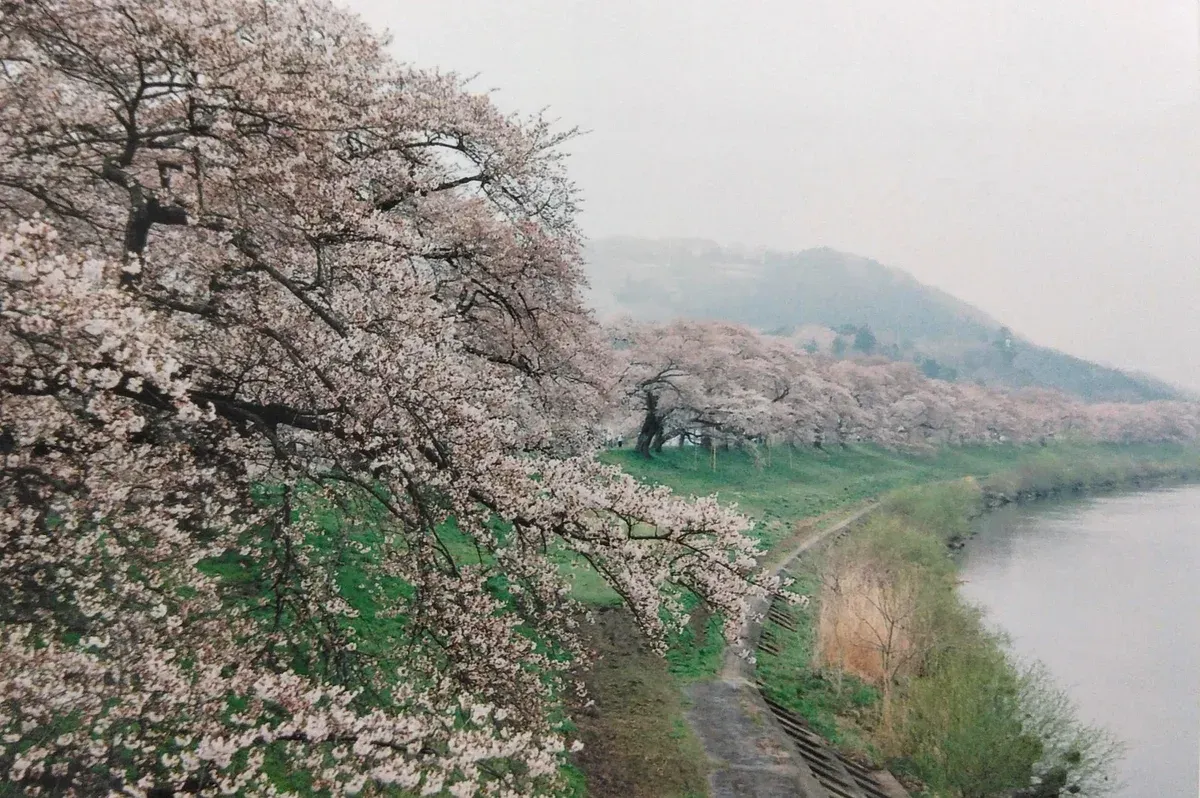
Hitome Senbonzakura cherry blossoms, Shiroishi River. Photo: Kirin7739, CC BY-SA 4.0, via Wikimedia Commons
How does the season change my day trips?
Spring and autumn open every route, summer favours coastal Matsushima, and winter narrows you to snow-ready stops like Zao and Ginzan Onsen.
This is where timing matters most, because Sendai's best sights sit outside the city.
Matsushima in any season
The bay cruise and temple stops run all year, and the Senseki Line gets you to Matsushima-Kaigan in about 40 minutes from Sendai Station. The Fukuura Bridge hours shift with the seasons, 8:30 to 17:00 from April to October and 8:30 to 16:30 from November to March. For a guided day, the Sendai & Matsushima Customized Tour in 1 Day with Licensed Guide covers both city and bay in 6 hours.
Yamadera
The mountain temple is 50 minutes from Sendai by JR Senzan Line. From April to November it opens 8:00 to 16:00, from December to March 8:30 to 15:00, with possible earlier closing in snow. The Day Tour: Sendai Daikannon Statue & Yamadera Temple and the Yamadera Private Guided Tour from Sendai both make the climb manageable.
Autumn: Naruko Gorge and Hiraizumi
Naruko Gorge is up to 100 metres deep and colours from mid October to mid November, with its Ofukazawa trail open all day from late April to late November. Further afield, Chusonji at Hiraizumi runs 8:30 to 17:00 from 1 March to 3 November and 8:30 to 16:30 after, and the Geibikei boat ride takes about 90 minutes at $12.72 (¥2,000) for adults per the operator. The Ginzan Onsen Tour From Sendai: Zao Ropeway and Okama Crater adds crater views when the mountain road is open.
Winter pairings
The Yamadera and Ginzan Onsen Tour From Sendai and the Zao Fox Village Tour from Sendai are two winter-friendly options. The Sendai Marugoto Pass, valid for 2 consecutive days, covers JR, subway, buses and the airport line in the free area, with the pass's own model course covering Matsushima, Akiu Onsen and Yamadera.
Sources: Matsushima Kanko Association, Yamadera Tourism Association, Matsushima Town, Osaki City, Chusonji Temple, Geibikei Tourist Association, Sendai Travel Official Guide.
How many days do you need in Sendai?
Two to three days lets you see the city and fit in the Matsushima and Yamadera day trips, and a fourth adds a mountain route.
The exact number depends on the season, because winter daylight shortens every day trip.
Suggested lengths
One day covers the city and a single Matsushima visit. Two days adds Yamadera or an onsen stop. Three days in spring or autumn fits Matsushima, Yamadera and either Naruko Gorge or the Zao route.
In winter, plan the same sights over a longer stay, or drop one, because closing times pull in around 15:00 to 16:00.
| Trip length | Best season fit | What fits |
|---|---|---|
| 1 day | All year | City plus Matsushima bay |
| 2 days | All year | Add Yamadera or an onsen |
| 3 days | Spring and autumn | Matsushima, Yamadera, gorge or crater |
| 4 days | Winter | Snow monsters plus the shorter-haul stops |
What should you pack for Sendai?
Pack layers for the shoulder seasons, rain gear for mid June to mid July, and serious winter kit from December.
Sendai's seasons are distinct, so the packing list changes sharply by month.
By season
Spring and autumn: layers and a light jacket, since mornings and evenings run cool even in May and October. Rainy stretch: a compact umbrella and quick-dry shoes. Summer: breathable clothes for humidity, plus sun protection for festival days.
Winter: insulated coat, grippy shoes for temple paths, gloves and a hat for the mountain stops, where ropeway and trail services can pause in bad weather.
Is Sendai worth visiting for tourists?
Yes, it is worth it: a relaxed city 90 minutes from Tokyo with three top-tier day trips on its doorstep.
For most travellers the answer is a clear yes, and the timing tips above make it better still.
Why the timing tips matter
Sendai is about 90 minutes from Tokyo by Shinkansen, so it works as a base rather than a stopover. Book blossom-week and festival-week rooms early, check Yamadera's posted last entry before a winter climb, and confirm island ferries at Matsushima if you travel between December and March. Build your itinerary around daylight: summer evenings run long, winter days end early.
Sources: Yamadera Tourism Association, Matsushima Kanko Association.
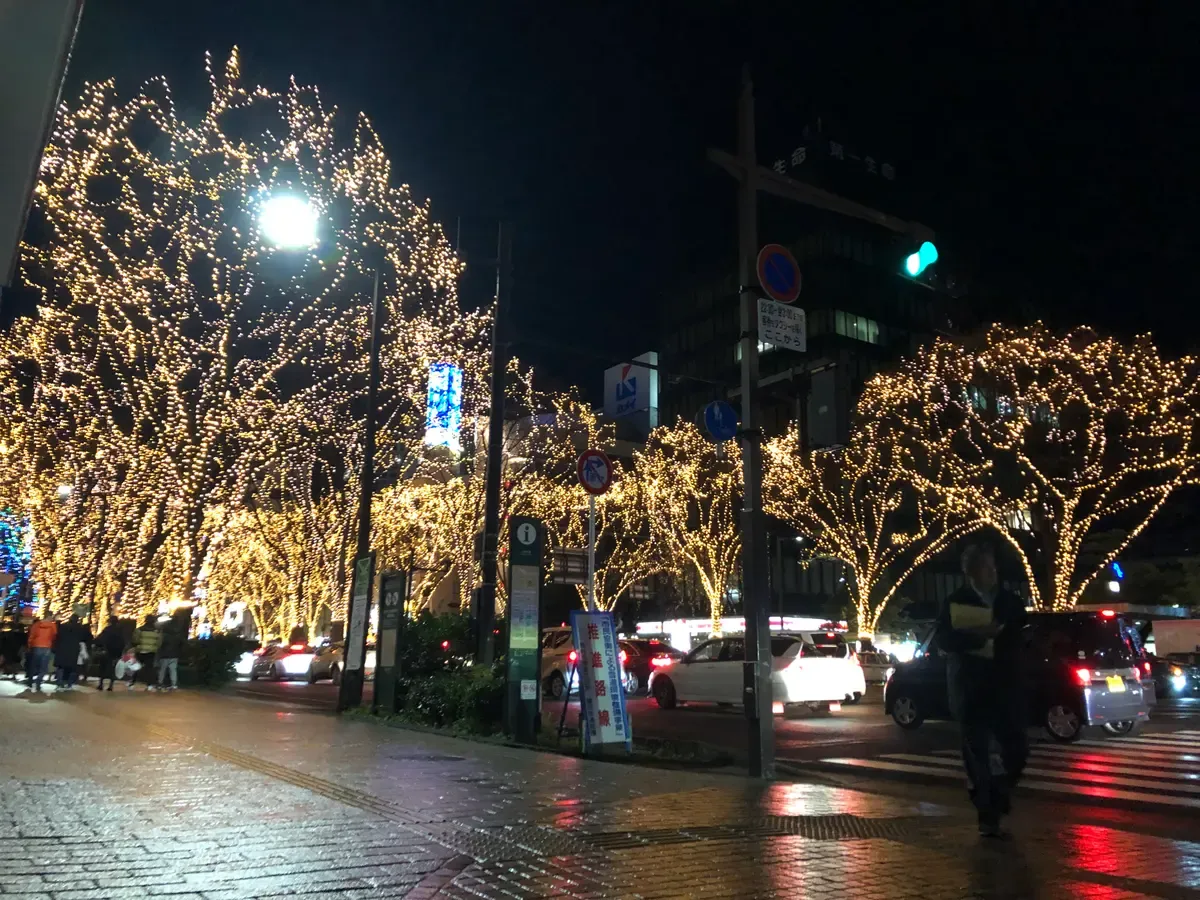
Pageant of Starlight, Sendai in December. Photo: 印度孔雀, CC BY 4.0, via Wikimedia Commons
Best Time To Visit Sendai: FAQ
How many days do you need in Sendai?
Two to three days covers the city plus the Matsushima and Yamadera day trips. In winter, add a day or drop a stop, because temple and ropeway closing times pull in to around 15:00 or 16:00.
Is Sendai worth visiting for tourists?
Yes. It sits about 90 minutes from Tokyo by Shinkansen and gives you Matsushima, one of the Three Views of Japan, plus Yamadera and the Zao mountains within reach. Start with the day trips from Sendai.
When to go to Sendai?
Late spring, May to early June, and early autumn, September to October, bring the best weather with fewer crowds and lower prices. Avoid mid June to mid July if you want dry days.
What not to miss in Sendai?
Do not miss the Matsushima bay cruise, the climb at Yamadera, gyutan grilled beef tongue, and, from mid December, the snow monsters on Zao.
When do cherry blossoms bloom in Sendai?
Cherry blossoms in Sendai typically appear from early to mid April. Book accommodation for that window early, since it is the busiest stretch of spring.
What is the rainy season in Sendai and should you avoid it?
Mid June to mid July is the named unfavourable time to visit. It is cheaper and quieter, so it works if you keep flexible plans and favour indoor and city sights.
What is Sendai famous for?
Tanabata, billed as Japan's largest, gyutan, and the gateway to Matsushima. The Tanabata Festival runs from August 6th to 8th each year and draws over 2 million visitors.
What to do in Sendai during winter?
Ride the Zao Ropeway to the snow monsters, visit Zao Fox Village on a non-Wednesday, and soak at Ginzan Onsen. Check ahead for reduced Matsushima ferries and shortened Yamadera hours.
More Guides
- How to Get to Ginzan Onsen from Sendai
Bus, train and winter shuttle routes from Sendai to Ginzan Onsen for 2027, with times and a day plan. Compare both ways before you go.
- Is Sendai Worth Visiting?
The 2027 verdict on Sendai: worth 2 to 3 days as a base for Matsushima, Yamadera and Ginzan Onsen. See who it suits and how to plan it.
- Is Zao Fox Village Worth Visiting from Sendai?
The 2027 verdict on Zao Fox Village from Sendai: hours, entry, rules, ethics and who should skip it. Plan your day trip with confidence.